
+91 95098 68888


+91 95098 68888
31 August, 2026
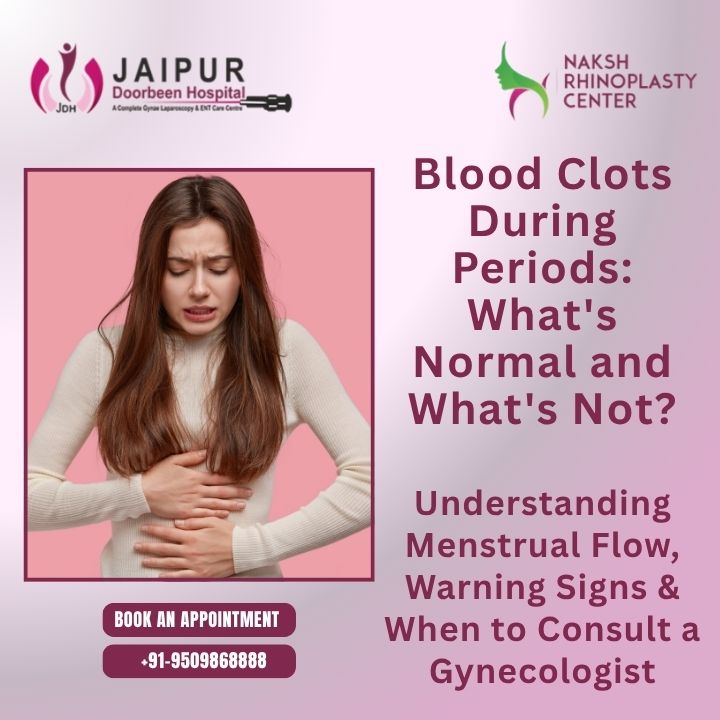
Noticing blood clots during your period can be alarming, especially if you've never experienced them before. Many women immediately wonder whether it's a sign of a serious health problem. The good news is that small menstrual blood clots are often a normal part of the menstrual cycle, particularly during the heaviest days of bleeding. However, large, frequent, or painful clots may indicate an underlying condition that requires medical attention.
Understanding the difference between normal and abnormal menstrual blood clots can help you make informed decisions about your reproductive health and know when it's time to consult a gynecologist.
Menstrual blood clots are thick, jelly-like masses made up of blood, tissue from the uterine lining, and proteins that help control bleeding. During your period, the uterus sheds its lining, and the blood flows out through the cervix and vagina. When menstrual flow is heavy, the blood may collect inside the uterus or vagina long enough to form clots before leaving the body.
These clots can vary in size and color. They may appear bright red, dark red, or brownish depending on how long the blood has been inside the uterus.
Passing small blood clots occasionally is usually nothing to worry about. They are most commonly seen during the first one or two days of your period when menstrual flow is naturally heavier.
Blood clots are generally considered normal if they are:
Every woman's menstrual cycle is unique. Some women may naturally experience small clots during every cycle without having any underlying medical condition.
Although occasional clots are common, certain symptoms should not be ignored. Large or frequent clots, especially when combined with heavy bleeding, may signal an underlying gynecological condition.
You should consult a gynecologist if you experience:
Heavy menstrual bleeding can sometimes lead to anemia due to excessive blood loss, causing fatigue, shortness of breath, and reduced energy levels.
Several medical conditions can contribute to unusually heavy periods and larger blood clots.
Fibroids are non-cancerous growths in the uterus that may increase menstrual bleeding and cause clot formation.
An imbalance in hormones such as estrogen and progesterone can lead to excessive thickening of the uterine lining, resulting in heavier bleeding.
This condition occurs when the uterine lining grows into the muscular wall of the uterus, often causing painful, heavy periods with clots.
Women with PCOS may experience irregular ovulation, leading to unpredictable and sometimes heavy menstrual bleeding.
Certain inherited bleeding disorders or medications that affect blood clotting can also increase menstrual blood loss.
A gynecologist will begin by discussing your menstrual history, symptoms, and overall health. Depending on your condition, they may recommend:
Early diagnosis helps ensure appropriate treatment and prevents complications.
Yes. Treatment depends on the underlying cause, your age, and whether you are planning a pregnancy.
Your gynecologist may recommend:
Avoid self-medicating or ignoring persistent symptoms, as proper evaluation is essential for long-term reproductive health.
Blood clots during periods are often a normal part of menstruation, especially during the heaviest days of your cycle. However, large clots, excessive bleeding, prolonged periods, or severe pain should never be overlooked. These symptoms may indicate an underlying gynecological condition that requires timely medical attention.
Listening to your body and monitoring changes in your menstrual cycle are important steps toward maintaining good reproductive health. If your periods have become noticeably heavier, more painful, or different from your usual pattern, consult an experienced gynecologist for a thorough evaluation. Early diagnosis and appropriate treatment can help you manage symptoms effectively and protect your overall well-being.

01 November, 2020

01 November, 2020