+91 95098 68888


+91 95098 68888
01 June, 2026
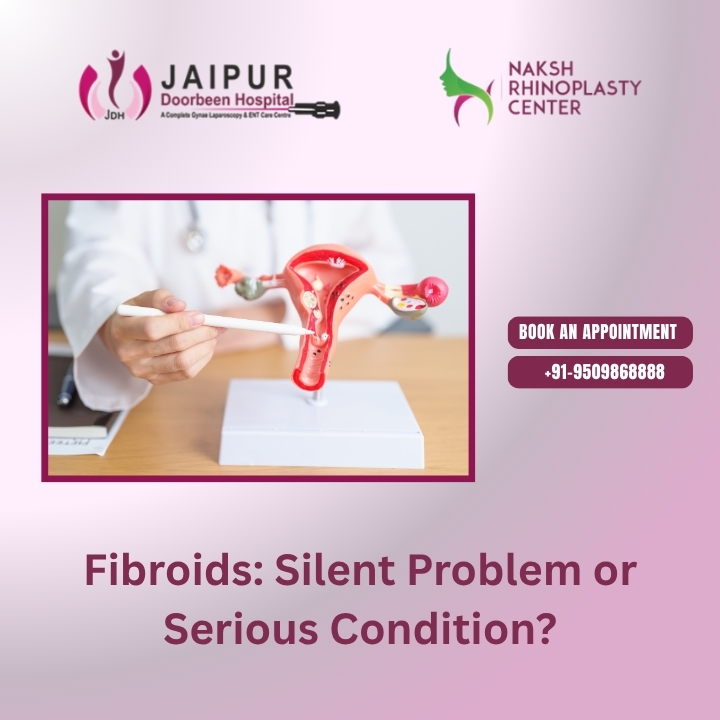
Fibroids are one of the most common health conditions affecting women, yet many people do not even realise they have them until symptoms begin interfering with daily life. For some women, fibroids remain completely silent. For others, they can lead to heavy bleeding, pelvic pain, fertility concerns, and ongoing discomfort. The biggest challenge is that fibroids often develop slowly, making the symptoms easy to ignore in the beginning.
So, are fibroids simply a harmless condition, or can they become serious? The answer depends on their size, location, and the symptoms they cause. Understanding the warning signs early can help women seek timely medical care and avoid future complications.
Fibroids, also known as uterine fibroids or leiomyomas, are non-cancerous growths that develop in or around the uterus. They are made of muscle and fibrous tissue and can vary greatly in size. Some may be as tiny as a seed, while others can grow large enough to enlarge the abdomen.
Fibroids are most commonly seen during reproductive years and are influenced by hormones such as estrogen and progesterone. While they are usually non-cancerous, they can still affect a woman’s overall health, comfort, and reproductive wellbeing.
Many women with fibroids experience no symptoms at all. However, when symptoms appear, they can significantly affect quality of life.
Some of the most common symptoms include:
Heavy or prolonged menstrual bleeding
Pelvic pain or pressure
Frequent urination
Lower back pain
Pain during intercourse
Constipation or bloating
Difficulty conceiving
Fatigue caused by anemia
Heavy menstrual bleeding is considered one of the most common signs of uterine fibroids. In some cases, women may also pass blood clots or feel constant heaviness in the lower abdomen.
Large fibroids can press against nearby organs such as the bladder or bowel, causing urinary or digestive symptoms. Some women only discover fibroids during pregnancy scans or routine gynecological check-ups.
The exact cause of fibroids is still not completely understood, but several factors may increase the risk of developing them.
Fibroids tend to grow during reproductive years because estrogen and progesterone encourage their growth. They may shrink naturally after menopause when hormone levels decline.
Women with a family history of fibroids are more likely to develop them themselves.
Fibroids are more commonly diagnosed between the ages of 30 and 50.
Being overweight, consuming high amounts of processed food, and maintaining a sedentary lifestyle may contribute to fibroid growth.
Research also suggests that low Vitamin D levels and hypertension may increase the risk of fibroids in some women.
Early diagnosis plays an important role in managing fibroids effectively. At a gynecology consultation, doctors usually begin with a physical examination and discuss symptoms in detail.
Several tests may be recommended, including:
Ultrasound is the most commonly used imaging test for diagnosing fibroids. It helps determine their size, number, and location.
MRI provides more detailed imaging, especially in complex cases or before surgery.
Blood tests may be done to check for anemia caused by excessive bleeding.
In some cases, a thin camera may be used to examine the inside of the uterus more closely.
Treatment depends on several factors, including the size of the fibroids, severity of symptoms, age, and future pregnancy plans.
Doctors may prescribe hormonal medicines to control bleeding and reduce symptoms. Certain medications can also temporarily shrink fibroids.
Modern treatments now allow many women to avoid major surgery. However, these procedures are generally recommended only for women whose family is complete and who are not planning future pregnancies.
• Uterine artery embolization
• Focused ultrasound treatment
• Radiofrequency ablation
These procedures work by shrinking fibroids or cutting off their blood supply.
Myomectomy removes fibroids while preserving the uterus. It is often recommended for women planning future pregnancies.
In severe cases, removal of the uterus may be advised, especially when fibroids are very large or symptoms become difficult to manage.
Women should not ignore symptoms such as persistent heavy bleeding, pelvic pain, abdominal swelling, or unusual fatigue. Early medical attention can prevent complications like severe anemia, fertility problems, or worsening pain.
At Jaipur Doorbeen Hospital, women can receive expert evaluation and personalised treatment guidance for fibroids and other gynecological concerns.
Understanding your symptoms, seeking timely medical advice, and choosing the right treatment can make a significant difference in long-term health and wellbeing.

01 November, 2020

01 November, 2020