+91 95098 68888


+91 95098 68888
16 November, 2026
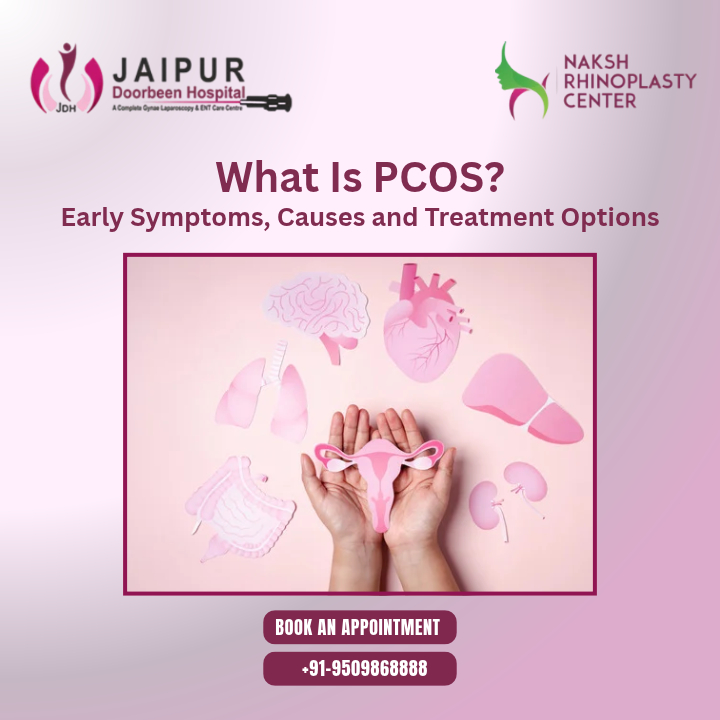
Polycystic Ovary Syndrome (PCOS) is a common hormonal and metabolic condition that affects women during their reproductive years. It can influence menstrual cycles, skin, hair growth, weight, and fertility. Recognising the signs early helps women seek medical advice and manage the condition effectively.
PCOS affects women differently. Some experience irregular periods, while others notice persistent acne, unwanted hair growth, or difficulty becoming pregnant. Understanding the condition is important for protecting reproductive and long-term health.
PCOS occurs when hormonal signals in the body are disrupted. Many women with the condition have higher levels of androgens, sometimes called male hormones, although women naturally produce them too. This imbalance can interfere with ovulation, the regular release of eggs from the ovaries.
Some women with PCOS have ovaries containing many small follicles, but not everyone does. These follicles are not necessarily harmful cysts, and their presence alone does not confirm PCOS. The condition can also affect how the body responds to insulin, which regulates blood sugar.
Signs can vary in type and severity, appearing during the teenage years or later in adulthood. Common symptoms include:
Having these symptoms does not automatically mean a woman has PCOS. A medical assessment is needed to identify the cause.
There is no single confirmed cause. Research suggests that several factors may contribute:
Insulin resistance: When the body does not respond effectively to insulin, it may produce more of it. Higher insulin levels can encourage the ovaries to make additional androgens and affect ovulation.
Hormonal imbalance: Higher androgen levels can disrupt egg development and release, contributing to irregular periods, acne, and increased hair growth.
Genetic factors: PCOS can run in families. Having a close relative with PCOS or type 2 diabetes may increase the likelihood of developing it.
These factors can interact, and symptoms may be influenced by lifestyle and other health conditions. PCOS is not simply caused by being overweight.
A gynaecologist will review menstrual history, symptoms, and medical background. Blood tests may assess hormone levels and help rule out conditions with similar symptoms. Tests may also check blood sugar and cholesterol.
An ultrasound may be used to examine the ovaries. In adults, diagnosis generally involves at least two of three features: irregular or absent ovulation, clinical or blood-test evidence of raised androgens, and a polycystic appearance of the ovaries, after other possible causes have been excluded. An ultrasound is not always necessary, and ovarian cysts are not required for diagnosis.
There is no permanent cure for PCOS, but symptoms can often be managed with an individual treatment plan. The approach depends on symptoms, overall health, and pregnancy plans.
Lifestyle changes: Regular physical activity, balanced meals, adequate sleep, and sustainable weight management can improve metabolic health. These habits can help even if weight does not change.
Medicines for menstrual symptoms: A doctor may recommend hormonal contraceptive tablets or progesterone-based treatment to regulate bleeding and protect the uterine lining when periods are very infrequent.
Treatment for acne and excess hair: Prescribed medicines and dermatological treatments may help manage acne or unwanted hair. Medication should only be taken under medical guidance.
Fertility support: Women planning pregnancy may be offered medicines to encourage ovulation. A fertility specialist can discuss suitable treatment or assisted reproductive options.
Regular monitoring may also be advised because PCOS is associated with a higher risk of insulin resistance, type 2 diabetes, and raised cholesterol.
Seek medical advice if your periods are repeatedly irregular, you miss periods for several months, develop worsening excess hair growth, experience persistent acne, or have difficulty conceiving. Avoid diagnosing yourself based on symptoms or an ultrasound report alone. Early evaluation can rule out other conditions and guide appropriate care.
PCOS is a manageable hormonal condition, but its symptoms should not be ignored. Irregular periods, acne, unwanted hair growth, weight changes, and fertility concerns may need professional assessment. With timely diagnosis, appropriate treatment, healthy daily habits, and regular follow-up, women can manage symptoms and reduce possible long-term health risks.
If you notice signs of PCOS, consult a qualified gynaecologist at Jaipur Doorbeen Hospital for personalised guidance and care.
01 November, 2020
01 November, 2020