+91 95098 68888


+91 95098 68888
26 December, 2025
_(1).jpg)
Tonsil infections, or tonsillitis, are one of the most common illnesses seen in growing children. While an occasional sore throat is normal, repeated tonsil infections can worry parents and interrupt a child’s routine. Knowing why children are prone to these infections and when it’s time to seek medical help can make a big difference in managing their health.
Tonsils are small tissue structures located at the back of the throat, acting as part of the body’s immune defense system. Their role is to trap germs entering through the nose and mouth. In children, however, this system is still developing, making tonsils more active and more vulnerable to infections.
Children’s immune systems are still growing. Tonsils work harder to filter out germs, making them more likely to become swollen and infected.
Schools, play areas, and daycare centers allow infections to spread quickly. Viruses like adenovirus, influenza, or Epstein-Barr and bacteria such as streptococcus commonly trigger tonsillitis.
Some children have significantly large tonsils that trap food particles and bacteria, creating repeated infections and chronic inflammation.
Parents can identify tonsillitis early by noticing symptoms such as:
Persistent sore throat
Red, enlarged tonsils
White patches on tonsils
Fever
Bad breath
Swollen neck glands
Difficulty swallowing
Changes in voice
While tonsillitis is common, some kids experience it more frequently due to several reasons:
A weak immune response or frequent viral exposure can lead to repeated infections.
Enlarged tonsils or adenoids can block airflow, trap germs, and become infected repeatedly.
Pollution, dust, smoke, and allergies can irritate the throat, making infections more likely.
Some individuals carry bacteria without symptoms. Children in close contact with them may get recurrent infections.
While occasional tonsillitis is not alarming, frequent or severe infections deserve professional attention. Here’s when to consult an ENT like
Medical evaluation is recommended if your child has:
7 or more infections in a year,
5 infections yearly for 2 consecutive years
3 infections yearly for 3 years.
These patterns indicate recurrent or chronic tonsillitis.
Enlarged tonsils can cause:
Snoring
Mouth breathing
Sleep apnea
These problems may affect growth, concentration, and daytime behavior.
Ongoing throat pain or trouble swallowing may lead to poor nutrition and weight concerns.
Severe throat pain, drooling, or muffled speech may indicate a peritonsillar abscess, which requires urgent medical care.
At Jaipur Doorbeen Hospital, treatment is tailored to each child’s needs:
Most viral infections improve with rest, warm fluids, and pain relief. Bacterial infections may require antibiotics.
For children with repeated infections or breathing problems, a tonsillectomy may be suggested.
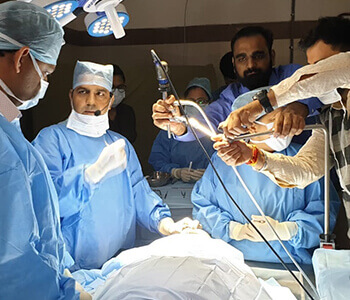
Using modern, minimally invasive methods
Reduced discomfort
Faster healing
Minimal bleeding
Short hospital stay
Post-surgery, children often experience better sleep, fewer infections, and improved overall well-being.
Frequent tonsil infections can affect a child's daily life, sleep, eating habits, and overall health. Understanding the causes and recognizing warning signs can help parents take timely action.
At Jaipur Doorbeen Hospital, Dr. Sunil Tanvar provides expert care and advanced treatment options for children with recurrent tonsillitis. If your child experiences repeated throat infections or sleep-related issues, a professional evaluation can bring clarity and relief—ensuring a healthier future.

01 November, 2020

01 November, 2020